
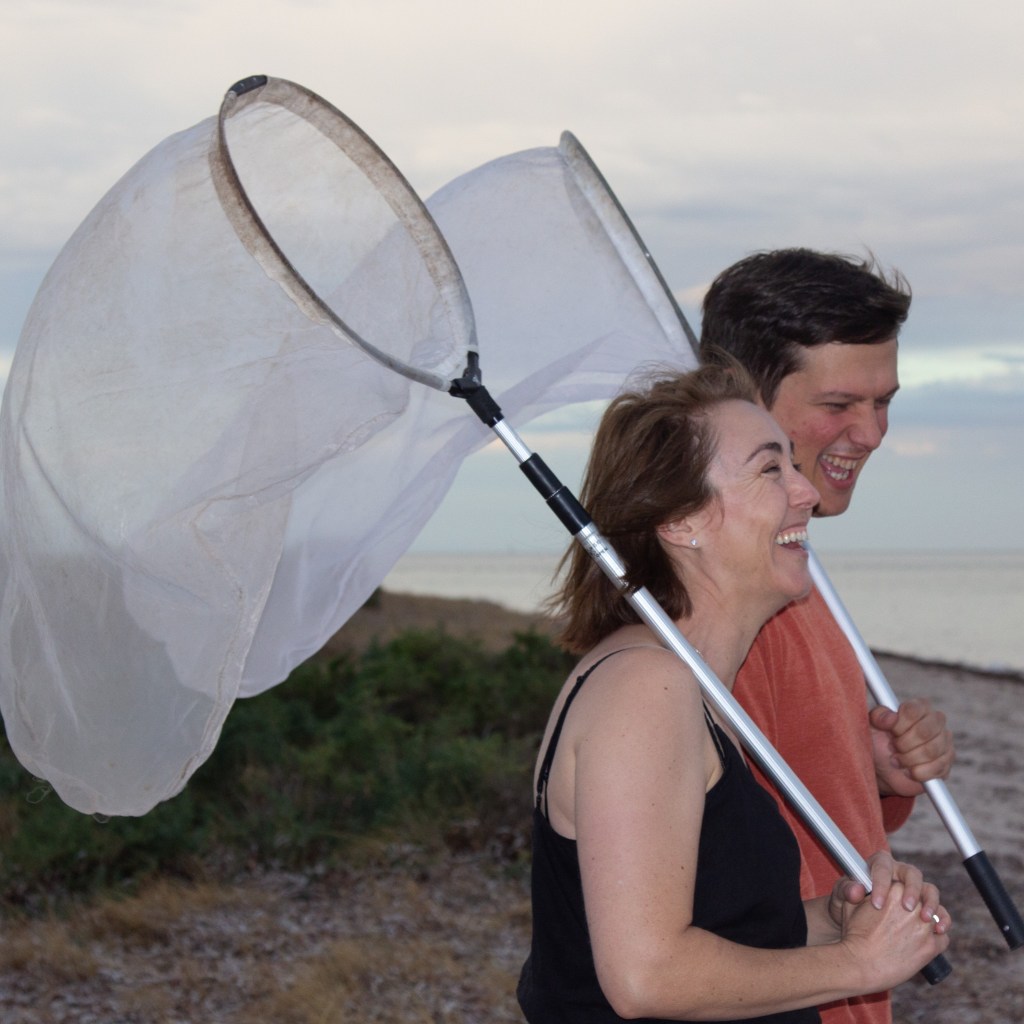
Throughout April of 2025, the Invertebrate Systematics and Biodiversity Lab was lucky enough to host Dr Luke Kresslein as a visiting researcher from the United States Department of Agriculture (USDA), based at the Smithsonian Institution.
Dr Kresslein is a leading systematist working with wasps in the family Aphelinidae, and a widely published phylogeneticist.
‘Aphelinids’ are part of the Chalcidoidea, which encompasses a simply massive diversity of mostly tiny, parasitoid wasps. Encyrtidae and Tanaostigmatidae, which are the research focus of ISB lab members Alana McClelland and Tareva-Chine respectively, are part of this group too, meaning our lab has a great deal of shared research priority.
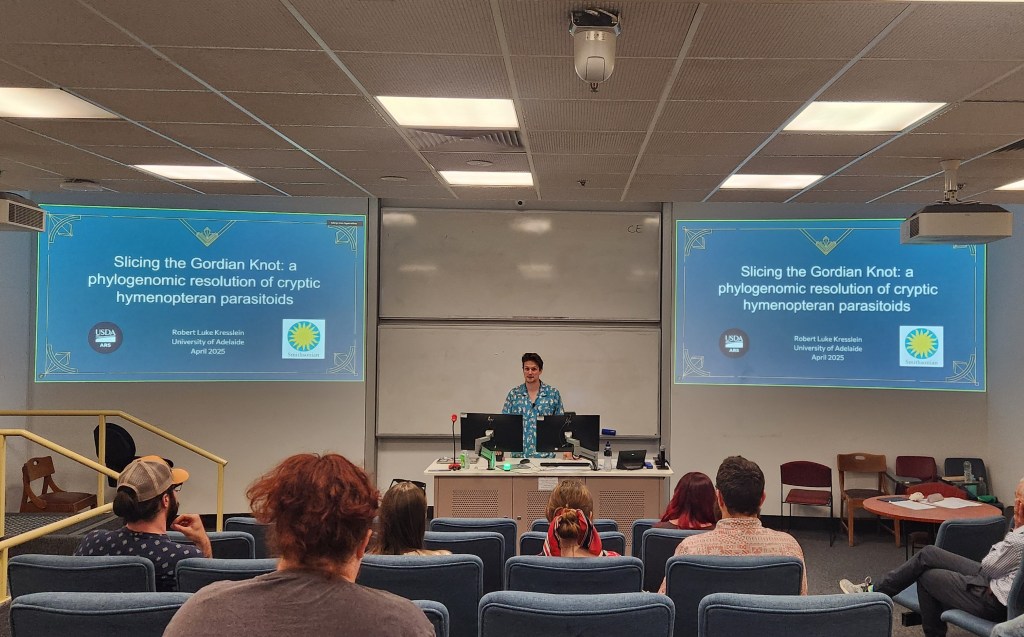
In his role at the Smithsonian Institution, Dr Kresslein is improving understanding of parasitoid wasps that impact aphids, whiteflies, scale insects and mealybugs. This research is of critical importance to agricultural security in the United States, and globally, as parasitoid wasps help control populations of these insects which are often pests that cause extensive damage to cropping systems.
Our lab’s own Alana McClelland has been undertaking similar researcher, completing a phylogenetic reassessment of the Encyrtid wasp genus Psyllaephagus as part of her PhD research. These wasps help control populations of jumping plant lice or ‘psyllids,’ which do millions of dollars of damage to forestry industries globally.

Alana accompanied Dr Kresslein on a trip to Brisbane where he trawled through collections at the Queensland Museum to locate material relevant to his research programs. Luke also visited the Australian National Insect Collection in Canberra.
Museum collections like these house a wealth of information about biodiversity, but it takes an expert like Dr Kresslein to work through the material held there to truly understand it. Specimens he encountered whilst visiting will help him better understand relationships between the wasps he researchers, and place them into a global context.
Dr Erinn Fagan-Jeffries leads our wasp research team here at Adelaide University. Whilst here, she organised for Dr Kresslein to lead a series of training sessions, including in Chalcid identification, the use of macrophotography for imaging microscopic wasps, and in genomic analysis for wasp phylogenetics.
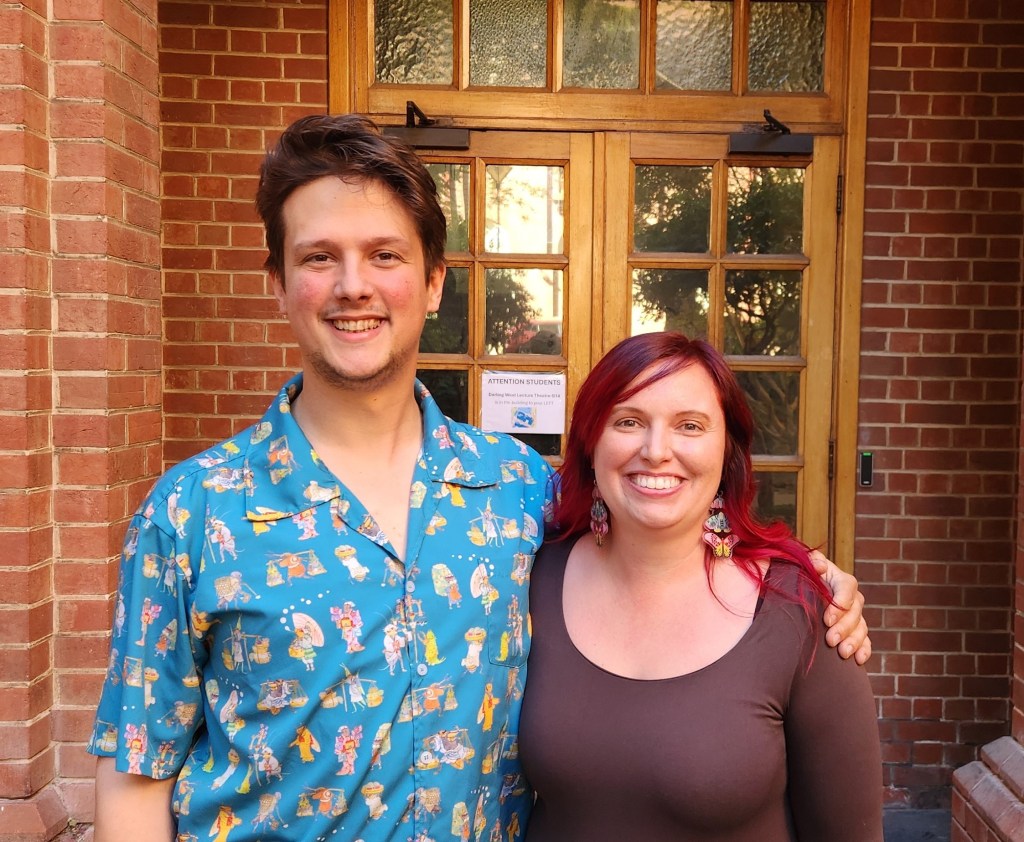
Dr Kresslein’s visit was an invaluable opportunity for international knowledge and skills transfer, and impressed upon our students the value of fostering international collaborations and relationships.
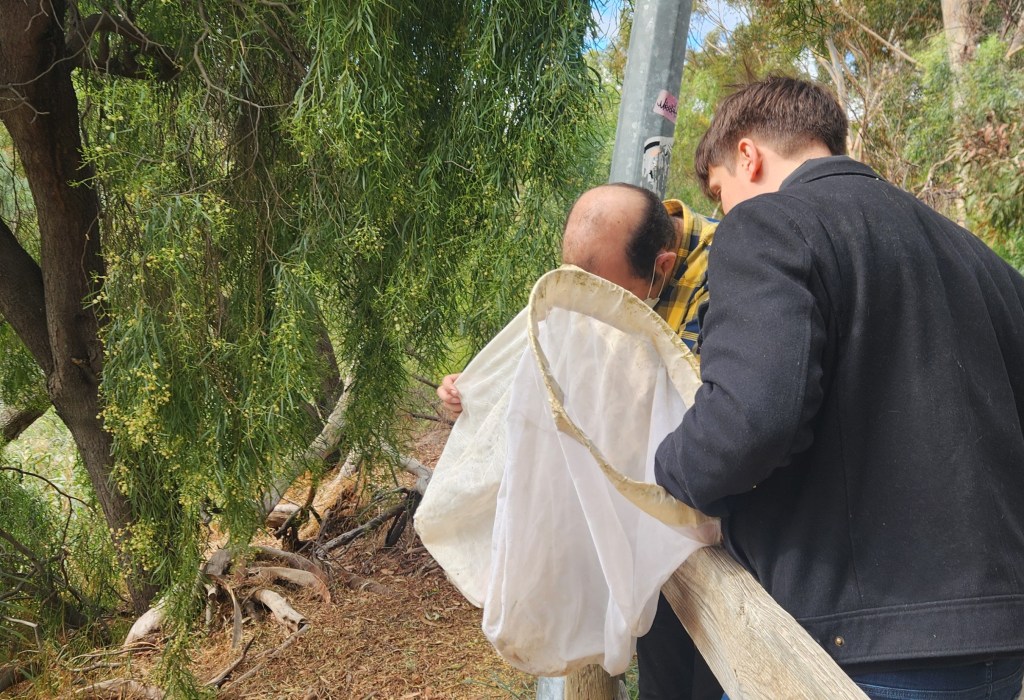
In addition to museum and office work, Dr Kresslein also found the time to use his expertise as a wasp systematist in the field. Targeted exploratory field work is immensely important in facilitating detection of new species, species that may be critical in future biocontrol programs.
New wasps collected along Karrawirra Parri/The Torrens River, around Adelaide, on the Yorke Pensinsula and in Queensland, may be amongst those that Dr Kresslein describes and names in coming years.
You can read more about our team’s wasp research stream here!

 Invertebrate Systematics and Biodiversity Lab
Leave a comment