

A journey into Australia’s hidden aquifers
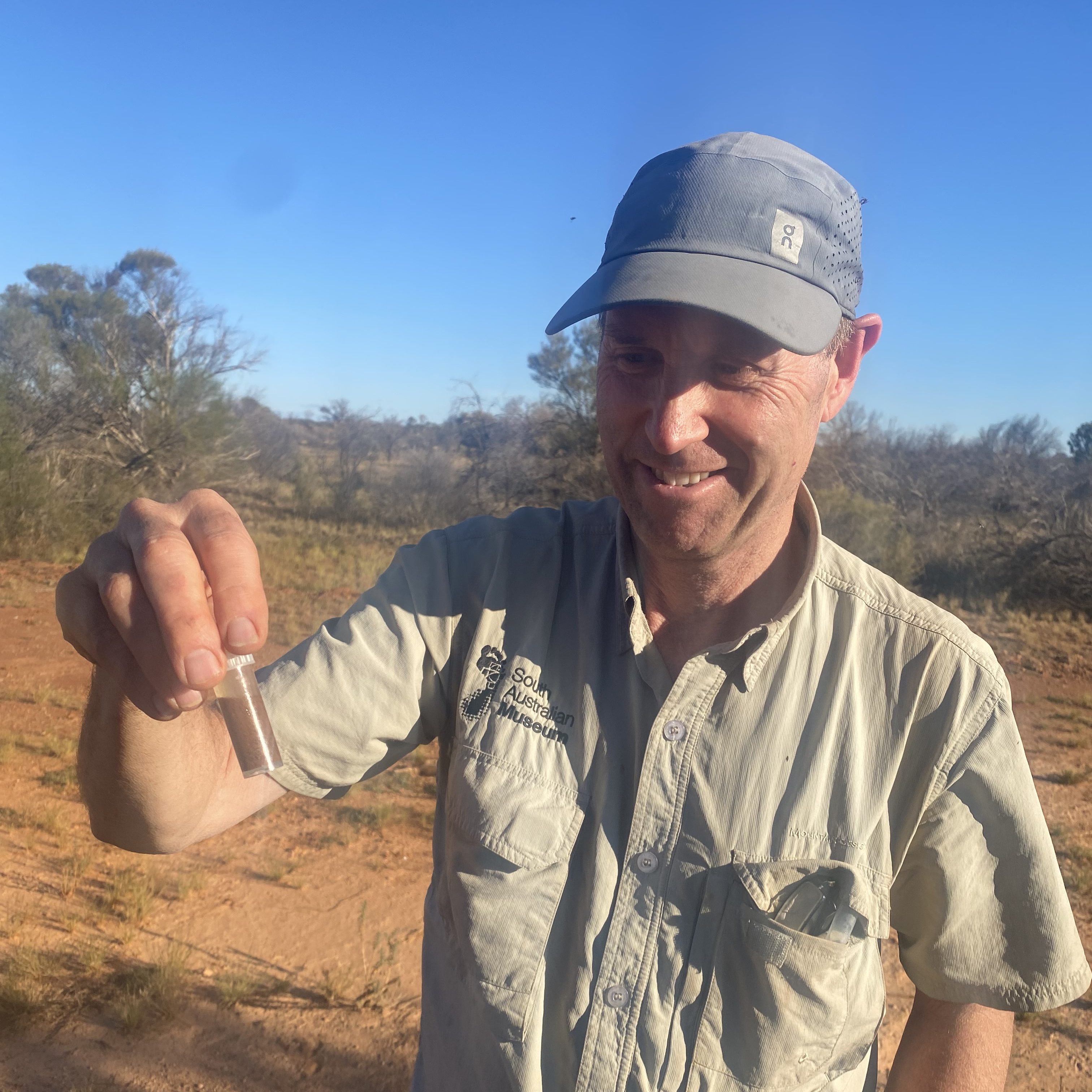
In May, some members of the ISB lab, Elisabeth Williamson, George Zhao and Steve Cooper, along with Bill Humphreys from the Western Australian Museum, went on a field trip across the Nullarbor Plain to rural Western Australia. Our mission? To sample something rarer than gold: subterranean diving beetles.
Beneath the surface
Hidden under the arid surface of the Yilgarn region lie calcrete aquifers. These are carbonate-rich groundwater systems that are stable, isolated, and teeming with life. While today the region is dry and desert-like, it was once covered in a rainforest during the mid-to-late Miocene epoch. As the climate dried out over millions of years, remnants of that wetter world persisted underground.


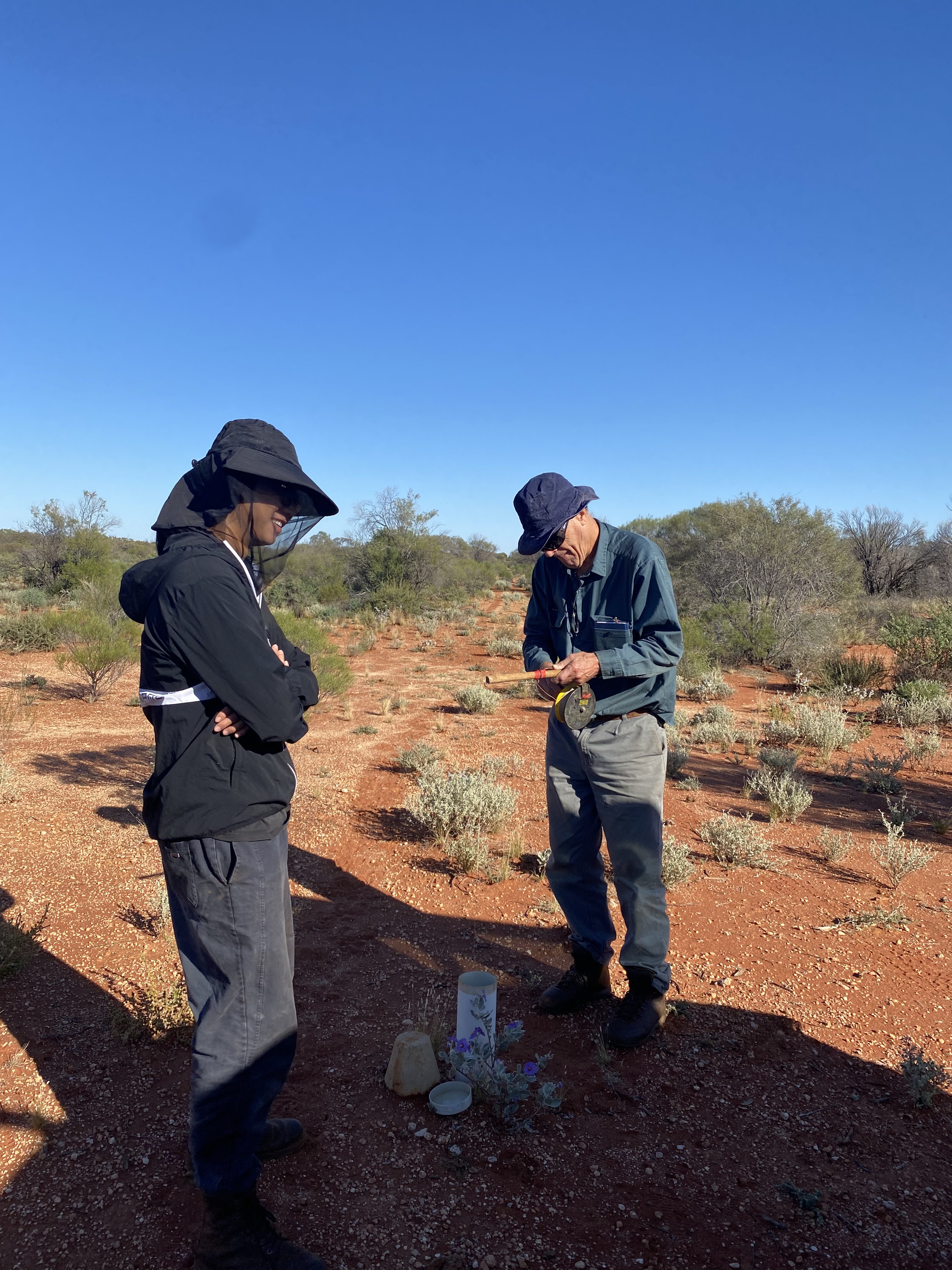
Seen in the images above, researchers Dr Elisabeth Williamson (left), George Zhao (right), and Dr Bill Humphrys (far right) are using fishing rods cast into bore holes, with nets instead of hooks, to sample the animals living in aquifers.
These calcrete aquifers are often called “islands under the desert” – each one is separated from the others, with no water flow between them. Despite their isolation, these aquifers maintain a constant temperature of around 21°C and are recharged by rainfall or flood events through palaeodrainage channels. Over time, each aquifer has become home to its own unique community of species, most of which are found nowhere else on Earth.
Life underground
These hidden ecosystems are inhabited by groups of animals named stygofauna and troglofauna; organisms that live exclusively underground in groundwater environments. Alongside the diving beetles, the aquifers host a wide array of other creatures including tiny crustaceans like amphipods, isopods, copepods, and ostracods.
Permanently underground fauna share common traits shaped by the key selective pressure to live in total darkness. Most notably, they don’t have eyes! After all, what use are eyes in pitch-black waters?
It’s believed that stygofauna evolved from surface-dwelling ancestors that somehow made their way underground. In the case of the beetles, they are thought to have evolved from species with pre-adaptations to live in wet environments, and that followed the water table down underground when surface waters dried up.
Do beetles keep time without light?
One of the most fascinating questions we’re exploring with the beetles we collected is whether subterranean diving beetles still have a circadian rhythm.
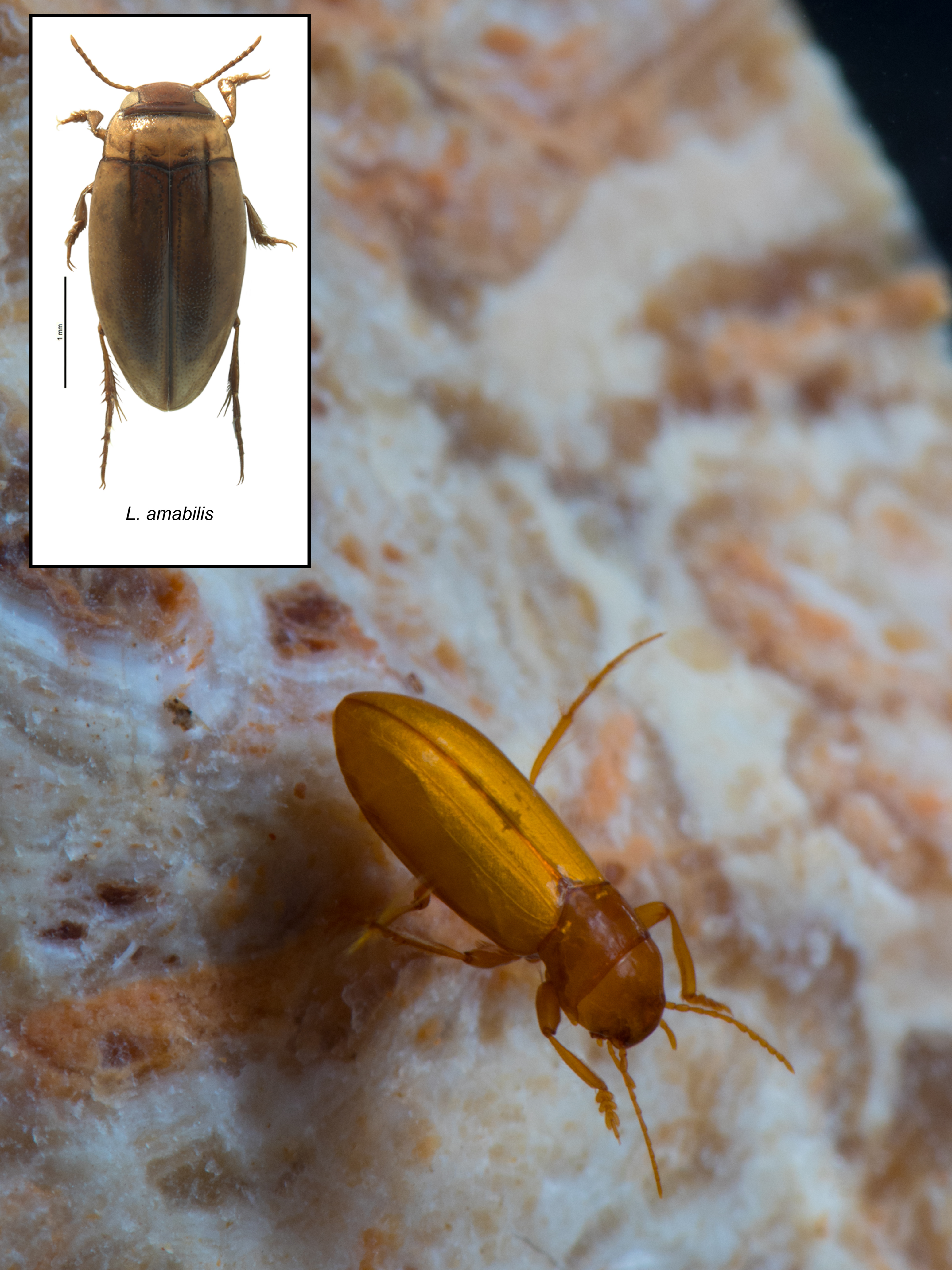
Photo credit: K. Jones & M. Haase
Circadian rhythms are natural biological cycles, usually with 24-hour patterns, that regulate daily activities like feeding, rest, and movement. In surface beetles, the circadian clock is synchronised by external cues like sunlight and temperature changes. But in the deep, dark, and temperature-stable aquifers, those cues are absent.
So how do subterranean beetles keep time, if at all? To investigate, George will run behavioural experiments to monitor beetle activity patterns. Meanwhile, Elisabeth will explore the beetles’ genomes to see whether the genes involved in circadian rhythms have decayed – a sign that the selective pressure to keep a daily rhythm faded away with time.
Come back for future updates as we uncover more about life in the underground!

 Invertebrate Systematics and Biodiversity Lab
Leave a comment