

At the end of June, a small group of our students were invited to attend a phylogenetics workshop at University of Sydney run by molecular evolution Professor Simon Ho. Shannon, Nicole, Tareva-Chine, Milad, and Katherine attended, either in-person or online. This was a great opportunity to become familiar with fundamental phylogenetic analysis techniques and understand some of the statistical theory behind common approaches. It was also a special chance to meet other students using phylogenetics in a fascinating variety of fields, from managing fisheries in Tasmania, to investigating new types of chlorophyll in algae.
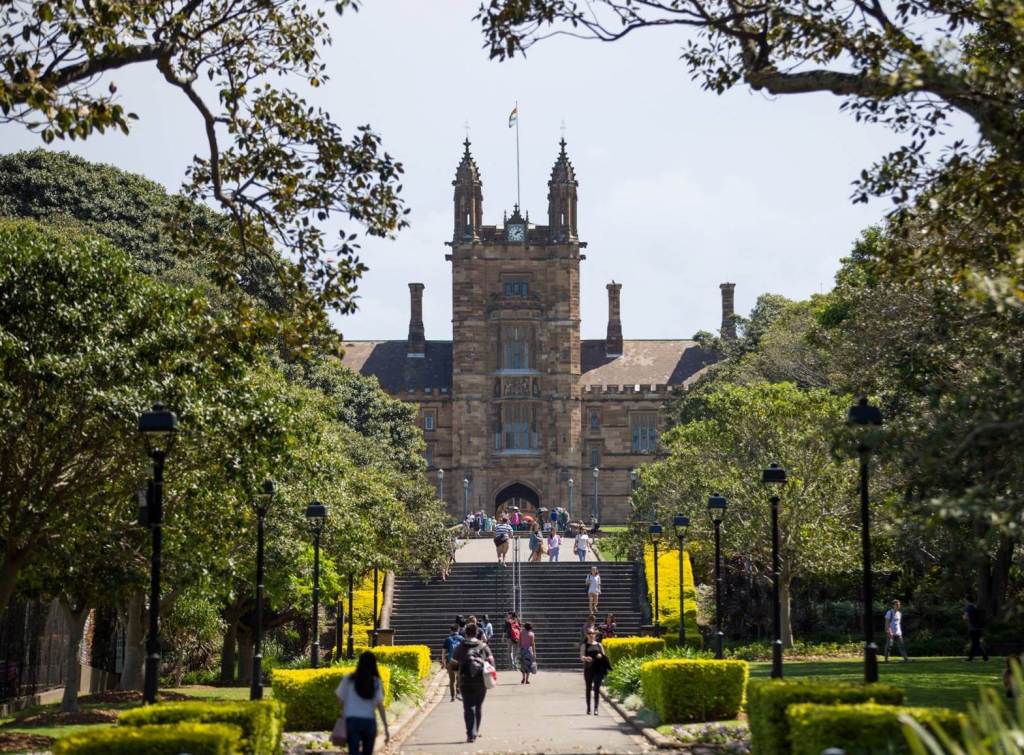
The live lectures offered clear coverage on the theoretical perspectives of molecular evolution and phylogeny, though the in-person attendees were at the greatest advantage in the practical tasks due to the extra assistance available for using the introduced software. It was especially valuable to learn about the high-quality free software available for phylogenetics, including:
- MEGA and IQ-TREE (sequence alignment, model selection)
- ASTRAL-III (gene trees, species tree)
- BEAST2 (Bayesian phylogenetics, molecular dating)
- Tracer (analysis of files produced by BEAST)
- and Figtree (visualising phylogenetic trees)
This software in combination can take you through the whole phylogenetics process, beginning with aligning your DNA sequence data to visualising your analysis as phylogenetic trees.
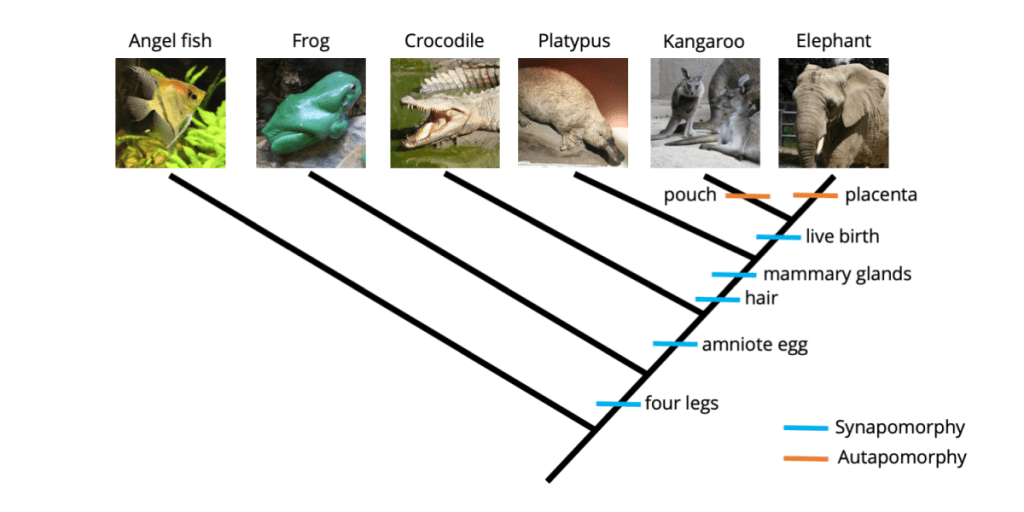
The greatest challenge in this two-day workshop was tackling the theory behind Bayesian phylogenetics, a method that uses probability to estimate phylogenetic relationships and test how confident we can be in a particular tree. Another important lesson we were able to grasp hands-on was the importance of using multiple loci for robust phylogenetic analysis. Rather than relying on a single gene history, it is best to analyse as many genes as possible across your sampled species.
Overall, the workshop left us better equipped to use phylogenetics in our own projects and more connected to the diverse research community applying these tools. Our lab uses phylogenetics tools for a variety of research purposes. For example, Milad is using Bayesian phylogenetics to study population structure in a cave fish species, and Katherine is combining morphological measurements with phylogenetic trees to describe new isopod species.

 Invertebrate Systematics and Biodiversity Lab
Leave a comment